
Product Features
Product features and updates that explain how Grepr reduces log volume, sharpens signal, streamlines pipelines, and supports AI-driven observability workflows as the platform evolves.

Product Features
Stuck Between A Rock And A Hard Place
Grepr reduces observability costs by up to 98% through intelligent data summarisation while preserving complete access to all logs when needed.
Product Features
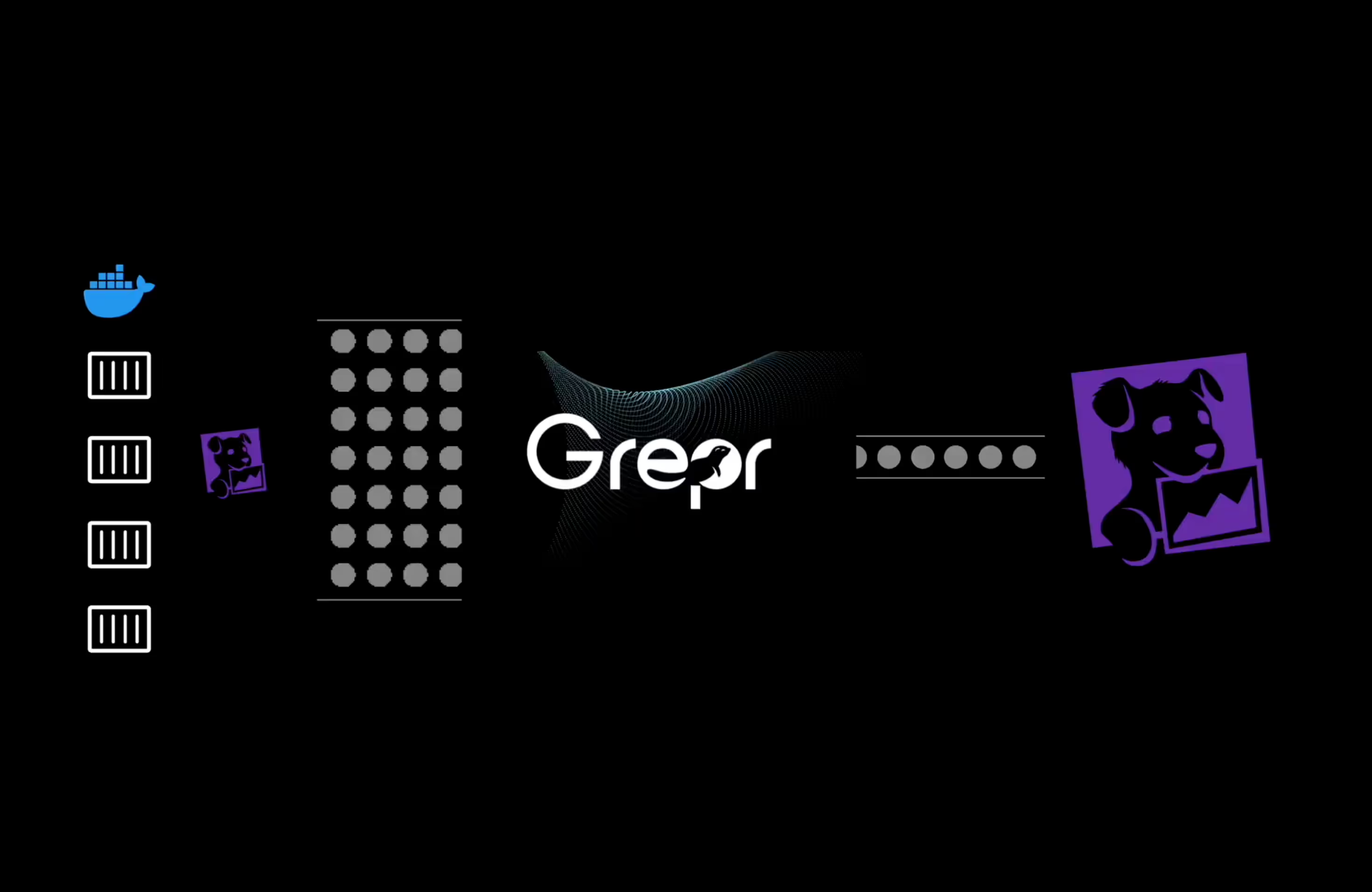
Grepr: The 90% Log Reduction That Preserves 100% Insight
Grepr uses machine learning to cut log volume by 90% while keeping every log searchable and recoverable, giving teams lower costs and full control.

Product Features
What if You Had an AI-powered Observability Data Engine?
Grepr is building the foundation for AI-powered monitoring that understands context, reduces noise, and helps engineers catch issues before they escalate.
Product Features
Using Grepr With Datadog
Grepr connects directly with Datadog to reduce log volume and costs by up to 90 percent while keeping every log accessible for analysis and compliance.
.avif)
Product Features
Use Grepr to Avoid Observability Vendor Lock-In
Grepr decouples data collection from observability platforms, cutting costs and eliminating vendor lock-in while retaining complete visibility and control.

Product Features
Aggregate my log volume by 90%, yet still find anything I need? How is that possible?
Grepr uses unsupervised machine learning to reduce log volume by over 90% while preserving important data through smart, configurable aggregation. It passes low-frequency messages through unmodified, allows engineers to retain specific parameters like user IDs, and supports backfilling logs via API triggers when deeper detail is needed—such as during support tickets. For added flexibility, trace sampling can capture full logs for a subset of users, and all original logs are archived in a searchable data lake. This gives teams control, reduces noise, and enables cost-effective observability without sacrificing access to critical information.

Product Features
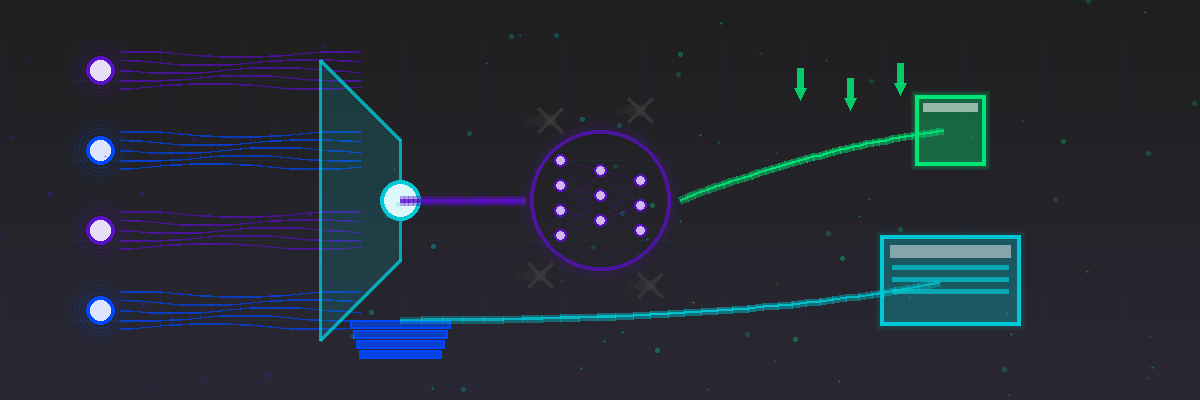
All Observability Data Is Equal But Some Is More Equal Than Others
Grepr helps teams keep full visibility while reducing observability data volume and costs through intelligent summarization and instant backfill.
Product Features
100% Insight With 10% Of Your Data
Grepr reduces Datadog browser logging costs by 90% by receiving all frontend logs, storing them cost-effectively, and using AI to filter repetitive data while maintaining full query access to original logs through a Datadog-compatible dashboard.
Product Features
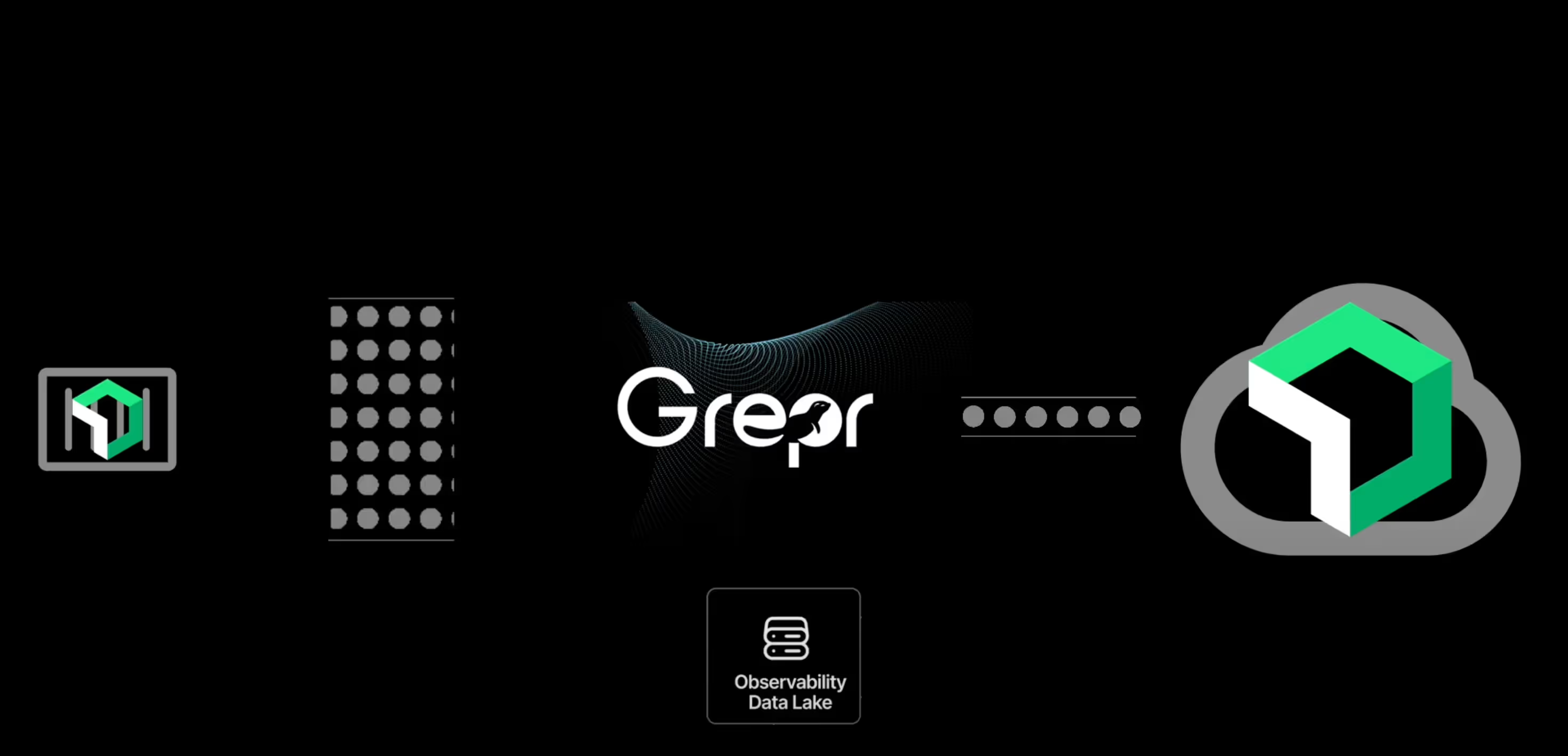
New Relic + Grepr: A Simple Setup to Slash Observability Costs
This tutorial demonstrates reducing log volume by 90% by adding Grepr between Fluent Bit and New Relic to filter noise while retaining raw data in low-cost storage for on-demand backfilling.

Product Features
Backfill Brilliance: Cut Observability Storage Costs While Boosting Clarity with Grepr
Grepr uses machine learning to filter observability noise at ingest, storing all raw data in low-cost storage while forwarding only meaningful signals to your existing tools like Datadog, Splunk, and New Relic.

Product Features
So… what exactly does Grepr do?
Grepr is an intelligent observability engine that uses machine learning and a rules engine to detect patterns, suppress noise, and forward only essential data to your existing platforms, cutting costs by up to 90% with a single configuration change.
.gif)
Product Features
Avoiding impacts to existing alerts and dashboards with Grepr
Grepr automatically parses your existing Datadog alerts and routes the logs that power them through unchanged, letting you cut observability costs in production without rewriting a single alert.

Get started free and see Grepr in action in 20 minutes.
