Events
What the former 7-Eleven CTO taught us about observability ROI
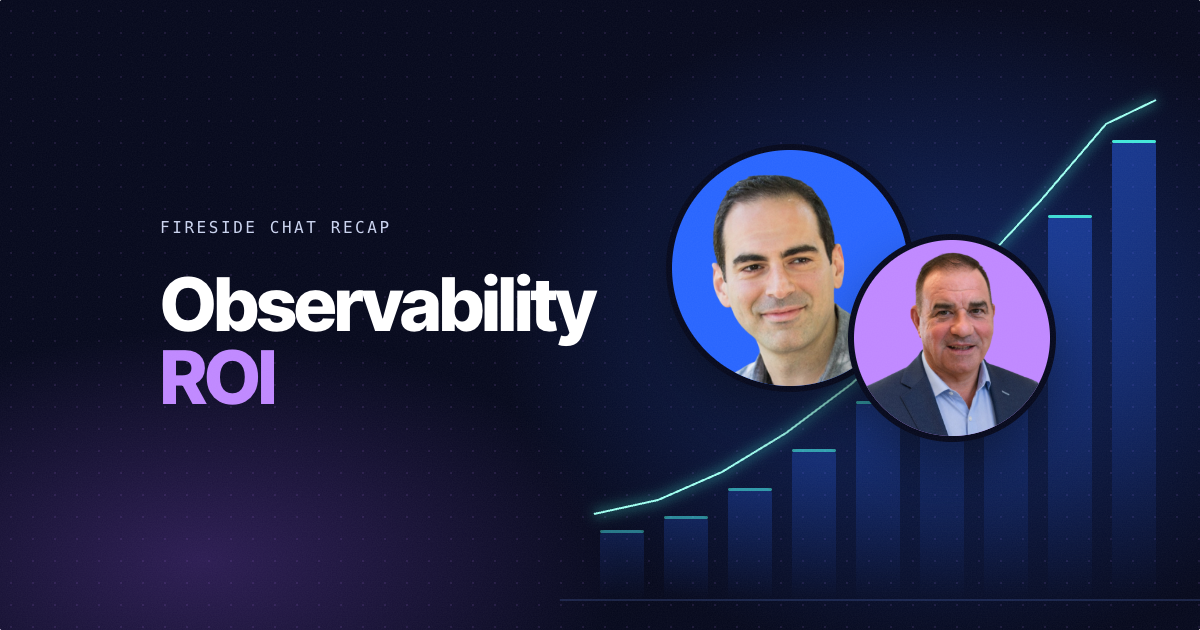


I hosted this week's webinar, featuring Jad, Grepr’s CEO, and Barry Carter, the former CTO of 7-Eleven. Here’s a few things that stood out.
Barry’s whole story started with a number that bugged him. His observability bill was running at about a third of his cloud spend. For a company pushing billions of dollars through its stores, watching all of it mattered, but spending a third of the cloud bill to do it was tough to justify. He wanted that down to 5% to 7%.
When Barry dug in, he found the real cost driver was the sheer volume of telemetry data, most of which never actually changed. His team had been ingesting everything at a high frequency for years. He summed it up simply:
Doing that the old way meant putting engineers on every data stream, one at a time. Before rolling out Grepr, his team had been able to find a single example of “low-hanging fruit,” where they made a change that saved them $1M. But then they hit a wall. At that point, there was no easy button, until Grepr.
Barry was honest about the human side too. His engineering team had become exhausted trying to find ways to cut observability costs without incurring unnecessary operational risk. At first, they were understandably skeptical of Grepr, but what turned their skepticism into enthusiasm started with a couple of early believers and a fast POC with real data that demonstrated how Grepr works.
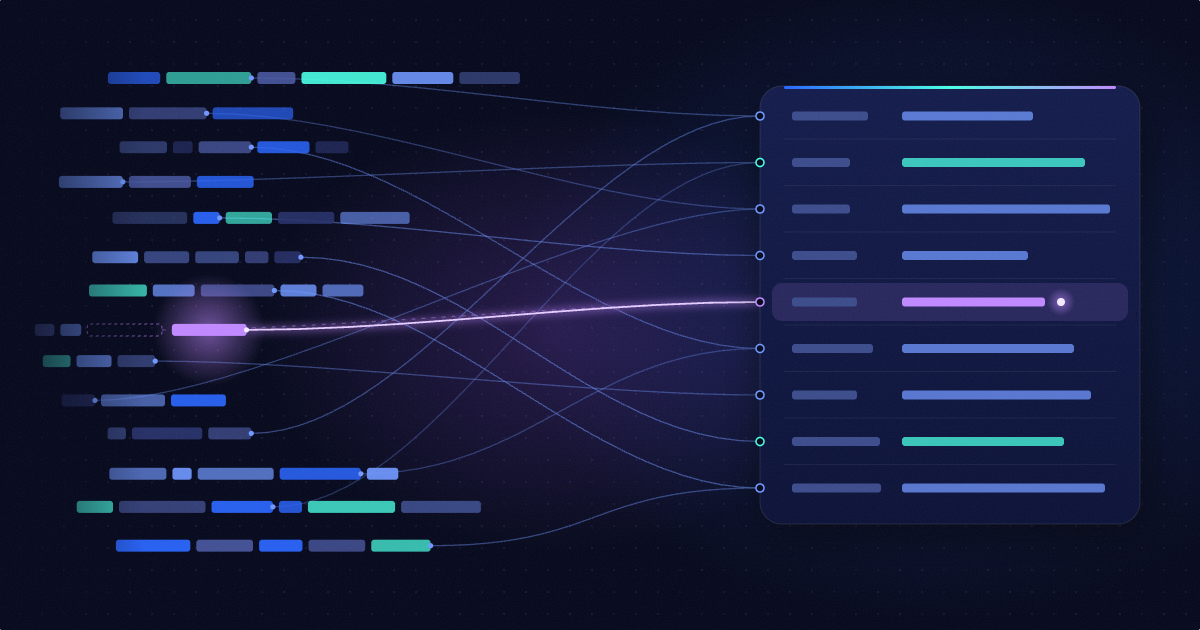
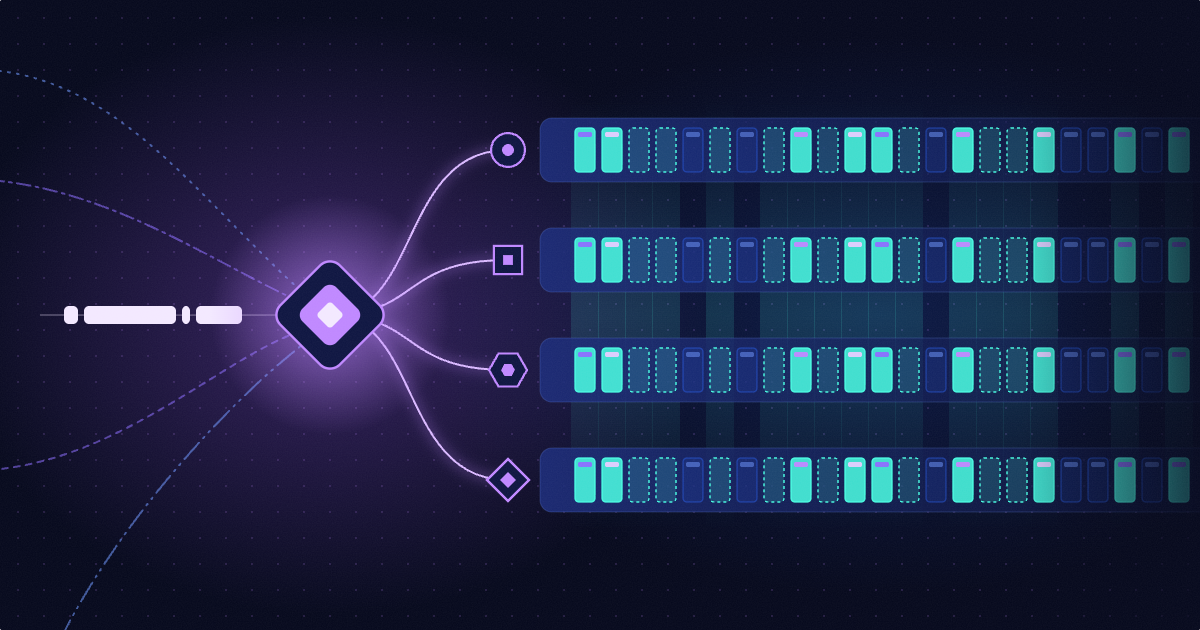
Grepr learned the patterns in 7-Eleven’s telemetry, separated the signal from the noise, and compressed the repetitive data on its own, so nobody had to go stream-by-stream to make it happen. That alone let Barry’s team retire a separate pipeline tool they’d been propping up, the kind that only pays off if your engineers keep hand-tuning it.
The bigger win was the trajectory. 7-Eleven was rolling its new cloud POS from about a third of its stores to all of them, so the observability bill was set to climb right alongside the cloud bill, heading toward tens of millions over a few years if nothing changed. Grepr broke that curve, and the savings showed up fast without a big engineering project behind it. Barry's early adopters even wanted to collect more data, and with Grepr in the path, they could do that and still spend less.
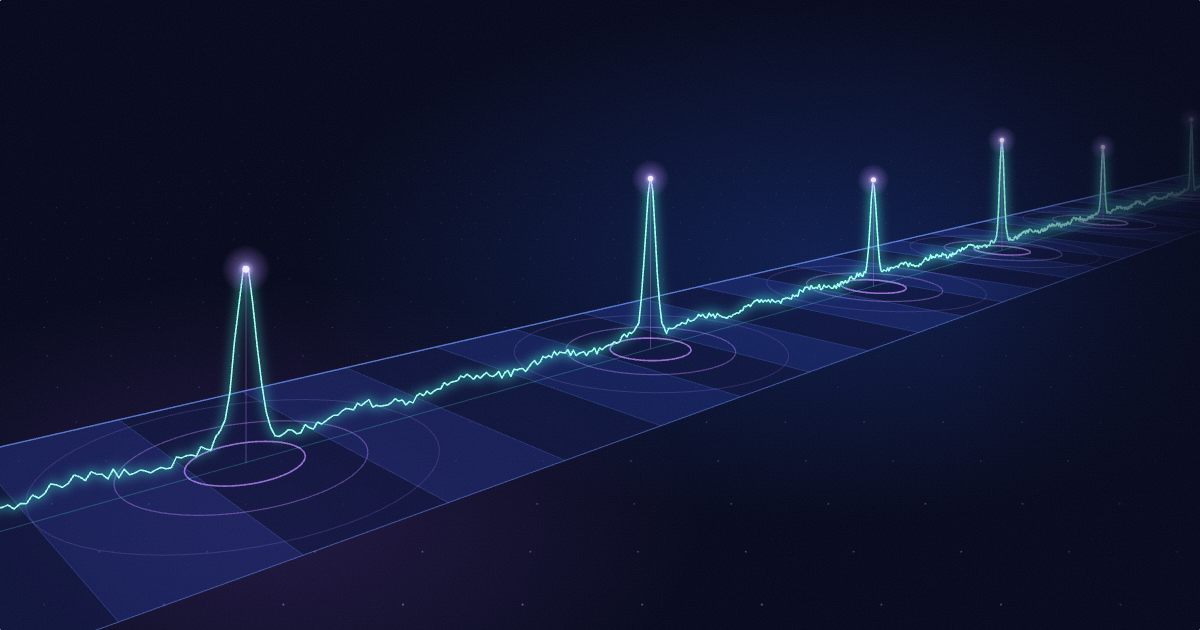
Jad wrapped up the discussion with a look at the harness for proactive operational agents that we’re building. Because Grepr sees the patterns in your telemetry data in real-time, it’s able to immediately identify anomalous signals and pass those to an AI agent to provide semantic understanding, flagging problems before they become full-blown incidents, including opening a PR with a recommended fix for you. And because it’s a harness, we give you the tools to build agents unique to your environment and needs. Reach out if you’d like to see a demo or run a POC in your environment.