
Grepr Blog
Read the latest news and articles on the industry, our product, and company.

Product Features
All Observability Data Is Equal But Some Is More Equal Than Others
Grepr helps teams keep full visibility while reducing observability data volume and costs through intelligent summarization and instant backfill.
.avif)
Product Features
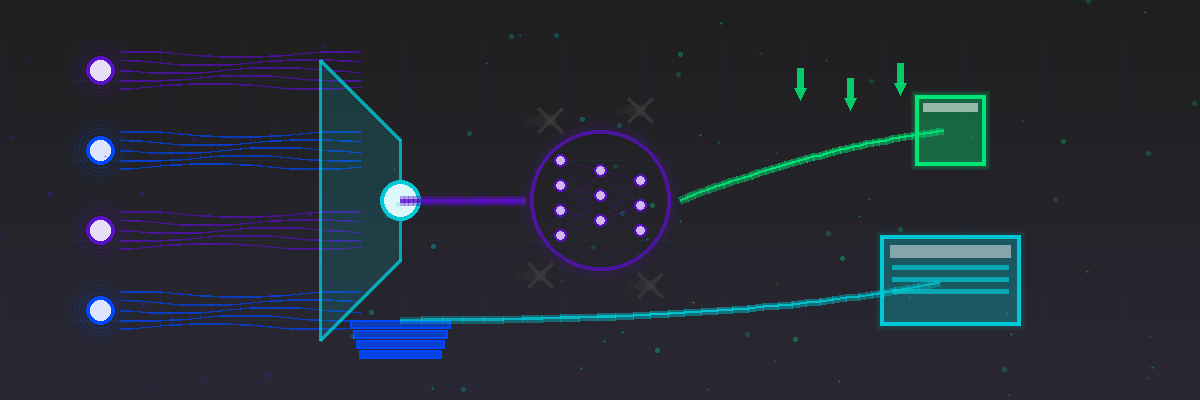
Vector vs Grepr: Comparing Observability Data Pipelines
Vector and Grepr both route observability data between sources and sinks, but they take fundamentally different approaches. Vector offers extensive manual configuration options, while Grepr uses machine learning to automatically optimize your data pipeline and cut costs by 90%.
Product Features
100% Insight With 10% Of Your Data
Grepr reduces Datadog browser logging costs by 90% by receiving all frontend logs, storing them cost-effectively, and using AI to filter repetitive data while maintaining full query access to original logs through a Datadog-compatible dashboard.
Product Features
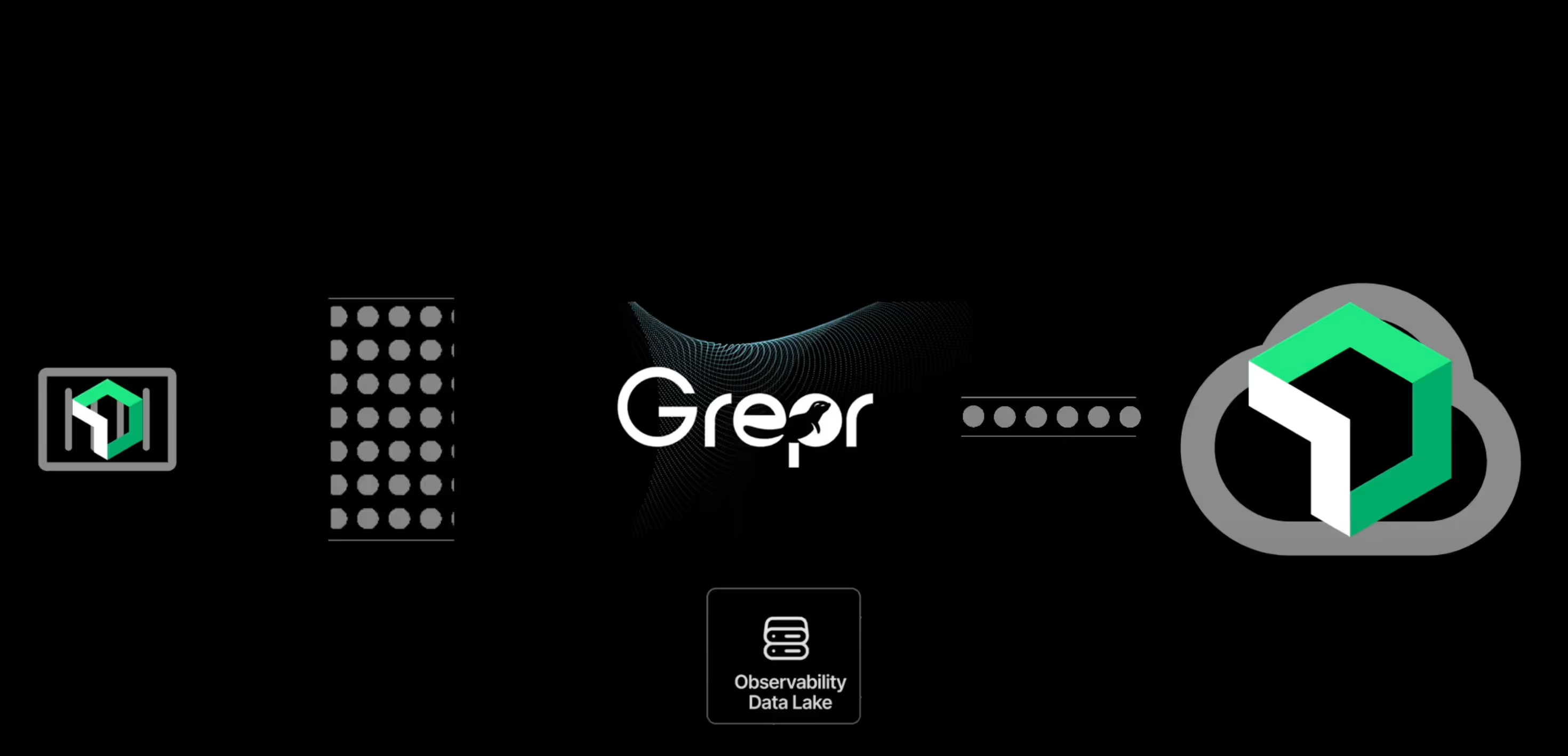
New Relic + Grepr: A Simple Setup to Slash Observability Costs
This tutorial demonstrates reducing log volume by 90% by adding Grepr between Fluent Bit and New Relic to filter noise while retaining raw data in low-cost storage for on-demand backfilling.
Case Studies
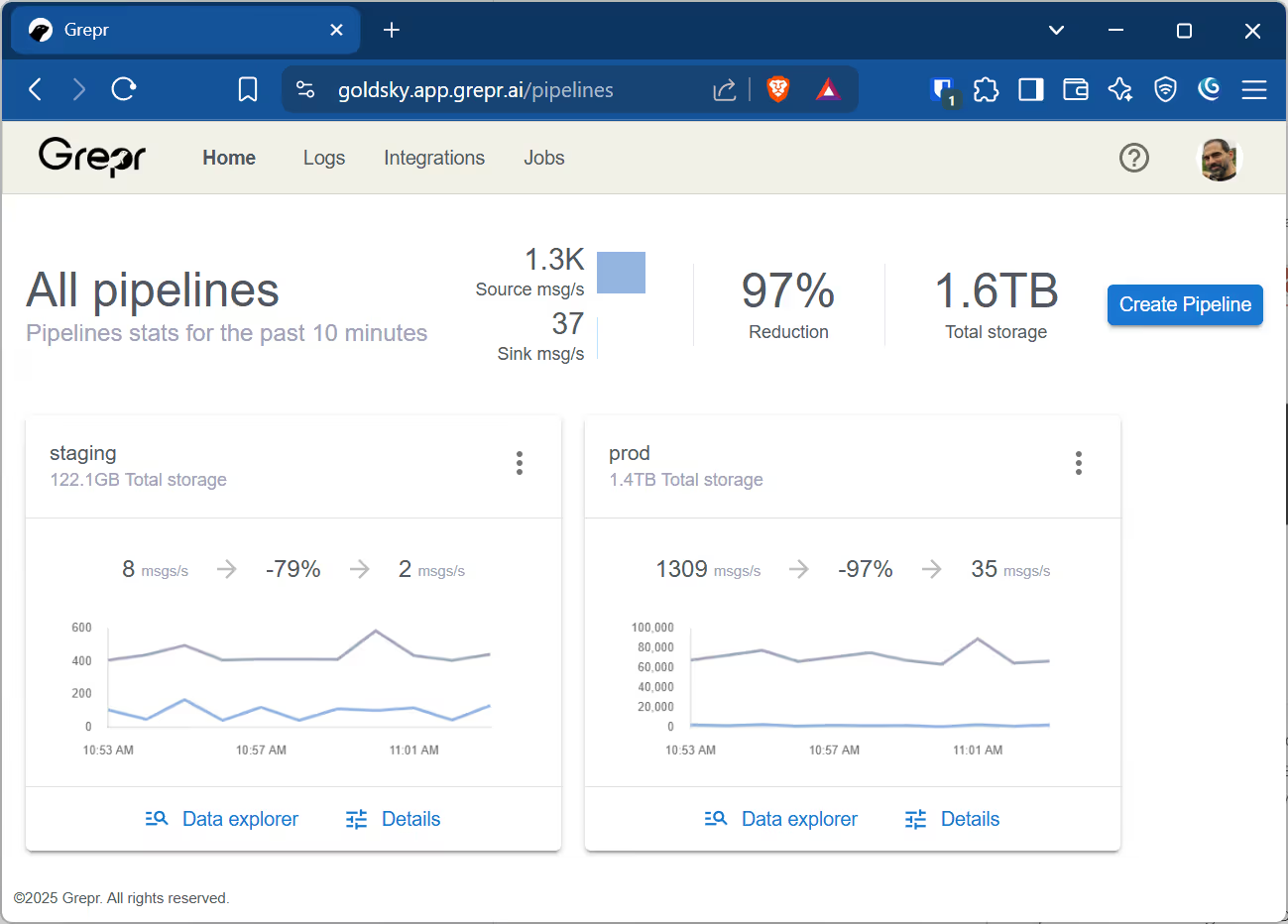
Goldsky: 96% Reduction in Datadog Logging Costs
Goldsky's logging costs had outpaced their value. After a four-week rollout, Grepr reduced their indexed logs from 5.7 billion to 250 million messages, cutting Datadog spend by 96% while keeping their observability workflows intact.
Product Features
Comparing Grepr and Cribl for Automated Observability Data Filtering
Grepr uses AI to automate observability data filtering with 90% less manual configuration than Cribl's powerful but complex platform that requires dedicated teams and custom query language expertise.

Product Features
Backfill Brilliance: Cut Observability Storage Costs While Boosting Clarity with Grepr
Grepr reduces observability costs by storing all data in low-cost storage and using machine learning to forward only unique or summarized insights to platforms like DataDog, Splunk, or New Relic. Engineers can query retained data, generate reports, power AI, or trigger dynamic backfill during incidents—automatically via webhooks or manually through the Grepr interface. To learn more or request a demo, visit grepr.ai.

Product Features
So… what exactly does Grepr do?
Grepr is an intelligent observability pipeline that sits between your agents and observability platform to optimize, analyze, and route data in real time. By using machine learning and a rules engine, Grepr detects patterns in data streams, holds back noisy or repetitive information, and forwards only essential summaries or unique messages. With a simple configuration change, it integrates seamlessly into existing systems—helping teams cut observability costs by up to 90%, retain data long-term, and make observability insights available for business reporting and AI.

Product Features
Avoiding impacts to existing alerts and dashboards with Grepr
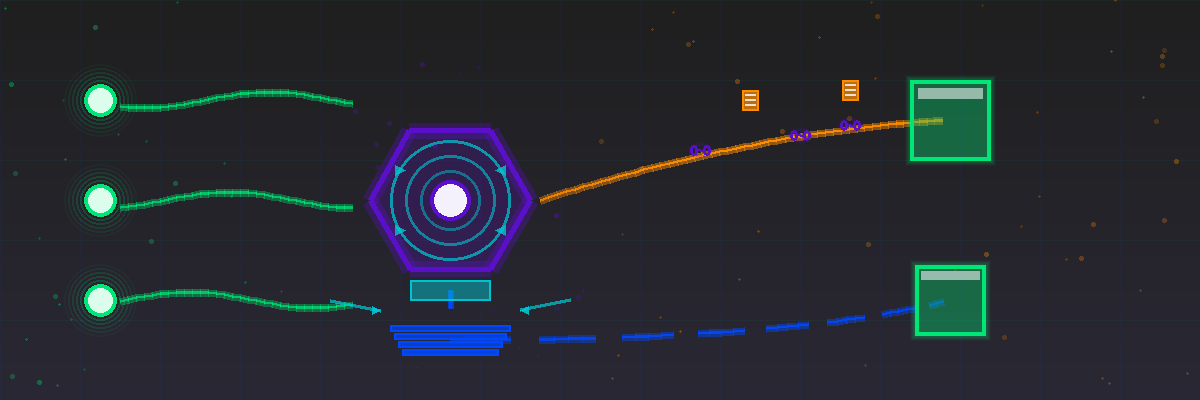
Everything we do at Grepr is around making sure we reduce costs with minimal impact to existing workflows. Grepr can automatically parse existing alerts in Datadog (Splunk and New Relic coming up in the next few weeks) and avoid modifying logs that power them. This way, you can roll out Grepr to prod without worrying about having to rewrite all your alerts.
Product Features
How to Deploy Grepr with Splunk: Reduce Log Costs by 90%
Grepr receives logs from Splunk Heavy Forwarders via S2S, compresses data by 90% while retaining everything in a queryable data lake with SPL support and one-click backfill to Splunk when needed.

Product Features
Automating Log Management
Grepr uses machine learning to reduce log volume without losing visibility. It parses and structures logs in real time, groups similar messages, and applies smart sampling to cut noise. Critical logs still get through, and full raw data is stored separately for easy access during incidents—keeping your backend lean and your team in control.

Product Features
Time Travel With Dynamic Backfill
Grepr’s Dynamic Backfill feature lets teams retain all log data at low cost while only sending essential logs to their main logging backend, cutting processing and storage costs by around 90%. Unlike traditional logging that risks missing key data before an incident is detected, Grepr stores everything in affordable storage and allows engineers to selectively backfill detailed logs when issues arise—like turning up log detail after the fact. This ensures engineers have full context for debugging, with no disruption to existing workflows, balancing deep visibility with major cost savings.

Get started free and see Grepr in action in 20 minutes.
