Engineering Guides
The Hidden Cost Crisis in Observability: What Your Team Needs to Know in 2026



Your observability bill is climbing, and you are not imagining it. The global observability market reached $28.5 billion in 2025 and is on track to reach $34.1 billion by the end of 2026. If you work in platform engineering, SRE, or DevOps, you already know where that money is coming from.
Here is what makes 2026 different from previous years: leadership is paying attention. According to Elastic's 2026 Observability Survey, 54% of IT decision-makers report increasing requests from leadership to justify observability expenses. The days of writing off observability as a necessary cost of doing business are over.
According to Gartner, 36% of enterprise clients spend over $1 million per year on observability. Another 4% exceed $10 million annually. But the real story is where that money lands: over 50% of observability spend goes to logs alone.
That concentration matters because logs are often the noisiest, most redundant data type in any observability stack. Health checks, debug messages in production, and repeated error patterns all consume expensive storage at the same rate as genuinely useful data. Your observability platform treats a routine Kubernetes health check the same way it treats a critical production error.
Wakefield Research found that 98% of companies experience overages or unexpected spikes in observability costs at least a few times per year, with 51% experiencing these spikes monthly. The most common causes are product launches and updates (46%) and forwarding log data that was not meant to be ingested into the observability platform (42%).
Most teams start trying to control costs with sampling, filtering, and retention limits. These methods work to a point, but they create a tradeoff engineers hate: you save money by losing data. Sample at 10% and you might miss the one request that explains a customer's checkout failure. Reduce retention from 30 days to 7, and you lose the ability to investigate issues that surface during quarterly reviews.
Elastic's 2026 Observability Survey found that 70% of organizations now seek to optimize existing spending rather than simply cutting data. That middle path requires a different approach.
Organizations are not collecting too much data. Modern distributed systems genuinely need massive amounts of telemetry for meaningful observability. The problem is that most of this data is repetitive and only valuable when something goes wrong.
Consider a microservices architecture processing millions of requests daily. A message like "Request processed successfully in 42ms" might appear millions of times with only the timestamp and latency values changing. Sending all of those messages to your observability platform means paying to ingest, index, and store information you already know.
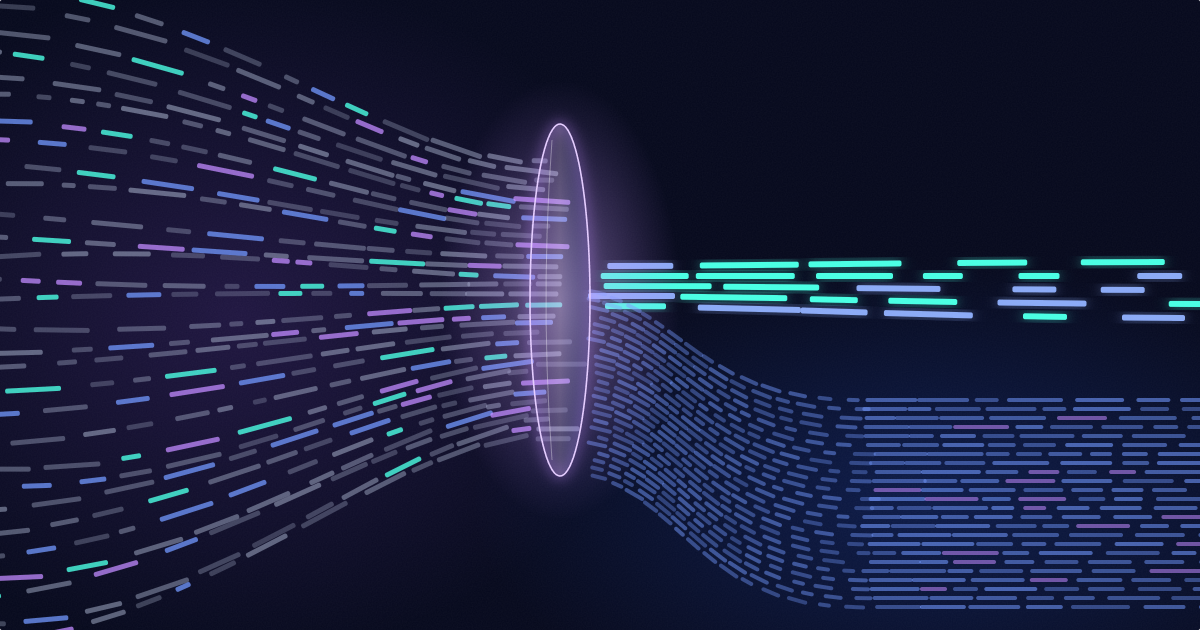
The most effective cost strategies in 2026 separate signal from noise before data reaches expensive storage and processing. First-mile processing (or telemetry optimization) analyzes data in real time and determines what requires immediate attention and what can be summarized or stored elsewhere.
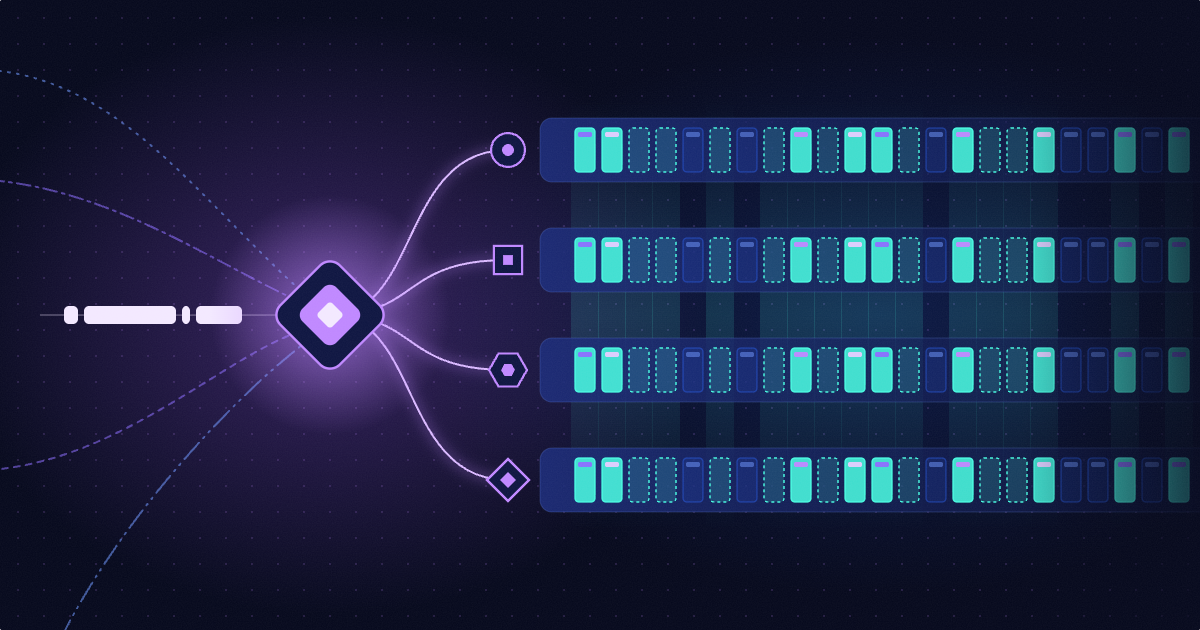
Here is how it works: instead of paying to store every instance of a repeated message, you send a representative sample and summary to your observability platform while keeping the raw data in low-cost storage. When an incident occurs, you backfill the detailed data you need for troubleshooting. (PS: This is exactly what Grepr does.)
This approach addresses the core tension between cost control and data access. Engineers keep their dashboards, alerts, and workflows unchanged. Finance sees a dramatically reduced observability bill. Operations retains the ability to investigate any issue with full data fidelity.
Elastic's research shows that 96% of organizations are actively taking steps to control observability costs. The most effective strategies share common characteristics: they preserve engineering workflows without requiring teams to change how they troubleshoot issues; they maintain data accessibility so cost optimization does not increase mean time to resolution; and they adapt automatically, using pattern recognition rather than requiring constant manual configuration.
Before committing to any cost-optimization strategy, engineering and platform teams should consider a few things.
Observability costs are not going down. Systems keep getting more complex, and telemetry volumes keep growing. The teams that get ahead of this are the ones who figure out how to reduce noise without losing signal, and how to cut spending without breaking their ability to debug production issues.
That technology exists today. Most teams just haven’t adopted it yet.
Grepr reduces log volume by 80-99% using machine learning while retaining all your raw data in low-cost storage: no migration, no workflow changes, and no lost visibility. Just redirect your log shippers and watch your observability bill drop.
Start your free trial and see your actual cost savings within 20 minutes.
How much should my organization spend on observability? Industry benchmarks suggest 15-25% of infrastructure costs, though this varies based on system complexity and business requirements.
What causes unexpected observability cost spikes? The most common causes are product launches and updates (46%) and log data being mistakenly included for ingestion (42%).
Can I reduce observability costs without losing data? Yes. Modern approaches use intelligent processing to reduce volume sent to expensive platforms while retaining raw data in low-cost storage, preserving full troubleshooting capability.
What is the fastest way to reduce observability spending? Log optimization offers the highest ROI since over 50% of observability spend goes to logs. Intelligent summarization can reduce log volume by 80-99% with minimal workflow changes.