Engineering Guides

Practical engineering guides focused on logging, pipelines, architecture, scaling patterns, and troubleshooting. These pieces stand on their own, offering useful insights for any engineer, whether they use Grepr or not.
Grepr vs. Mezmo FAQs Q: Does Mezmo replace my existing observability platform? A: It sits alongside it, which is part of the friction. Mezmo provides its own AI chat interface for querying observability data, but your existing platform (Datadog, New Relic, Splunk, etc.) stays in place too. Engineers end up with two places to look for answers, and reconciling those takes time to sort out in practice. Q: How much data volume reduction can Mezmo deliver? A: Up to 50%, with ongoing manual configuration of pipeline filters. That number depends on how much time your team invests in building and maintaining those rules. As services change, so does the maintenance burden. Q: Will Grepr disrupt how my engineers currently work? A: No changes to existing workflows are required. Grepr reconfigures the existing agents to route through it, then handles everything automatically. Engineers keep using the same dashboards, the same alerting rules, and the same query syntax they already know. Q: What's the difference between Mezmo's pipeline and Grepr's pipeline? A: Mezmo's pipeline configuration is manual end-to-end: sources, sinks, filters, all of it. A misconfiguration can actually increase your data volume. Grepr sets up the source, sink, and data store once, then the AI continuously manages a working set of semantic pattern filters on its own, typically around 200,000 rules for high-volume environments. Q: How does backfill work in Grepr compared to Mezmo? A: In Mezmo, a rehydration job is submitted manually through the web dashboard, and it pulls everything from the selected time window whether you need it or not. Grepr lets you query retained data using Datadog, New Relic, or Splunk syntax, validate it, and submit a targeted backfill. More commonly, the backfill fires automatically when an observability alert triggers a webhook.
Engineering Guides

Remove Sensitive Data From Your Logs With the SQL Transform

Grepr's SQL transform enables real-time redaction of sensitive data like passwords from log events before they reach your data lake or monitoring platform, using familiar SQL syntax within your log processing pipeline.
December 29, 2025
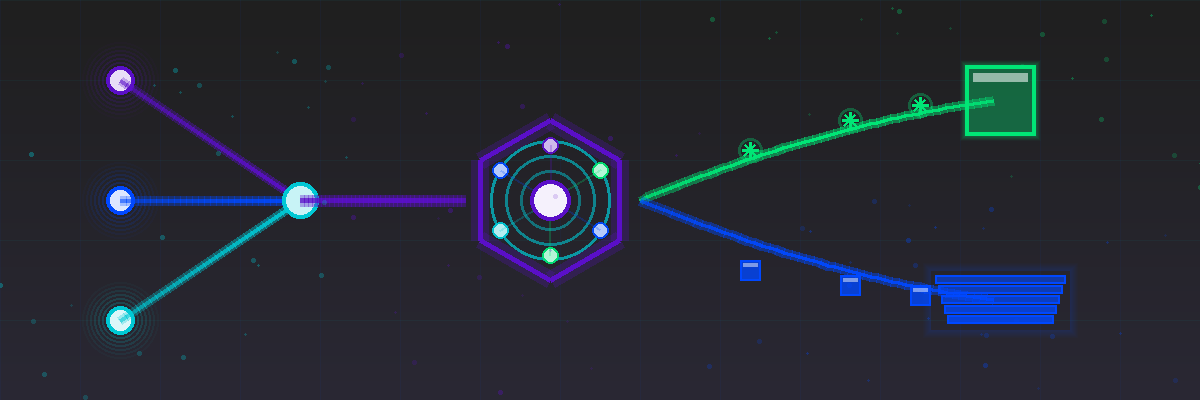
Abstract technology visualization showing an observability pipeline with three stages: collection sources for logs, metrics, and traces in violet, blue, and teal converging from the left, flowing through a central hexagonal transformation processor with internal routing nodes, then splitting into two output paths with sparkle markers indicating high-value data routing to analysis tools in green above and box markers indicating long-term data routing to layered storage in blue below
Engineering Guides

What Is an Observability Pipeline (and Why It Matters More Than Ever)

Modern observability generates too much telemetry data and too little insight, and Grepr solves this by providing an intelligent observability platform that automates data processing, routing, and storage to cut costs by over 90% while preserving full visibility.
October 27, 2025
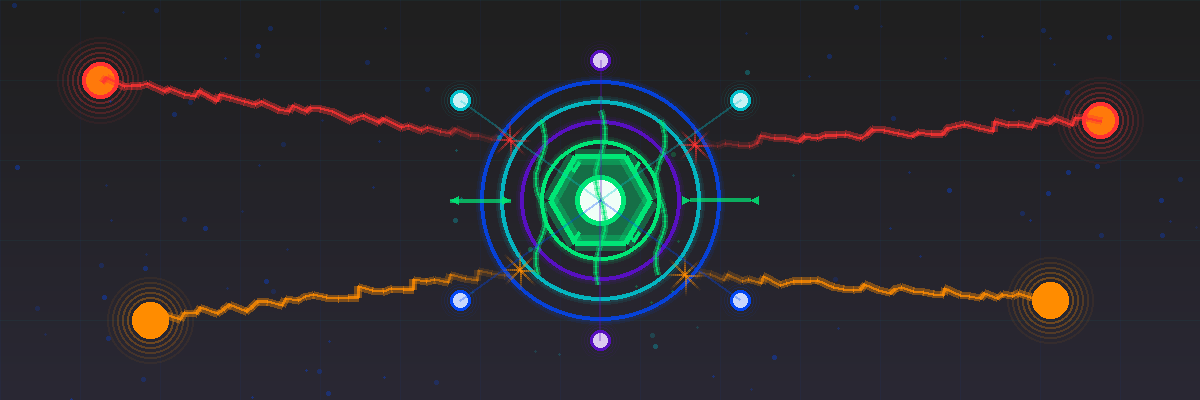
Abstract technology visualization showing a central hexagonal protected system surrounded by four concentric defensive shield layers in blue, teal, violet, and green, with red and orange threat indicators in the corners launching attack paths that are deflected by the shields creating impact bursts, continuous green operational streams flowing vertically through the protected core, monitoring nodes positioned around the perimeter with connections to center, and bidirectional recovery arrows indicating system resilience and continuity during disruptions
Engineering Guides

How DORA Redefines Logging and Observability

Grepr enables financial institutions to stay compliant with DORA by maintaining full log visibility and audit readiness at a fraction of traditional costs.
October 17, 2025

Get started free and see Grepr in action in 20 minutes.